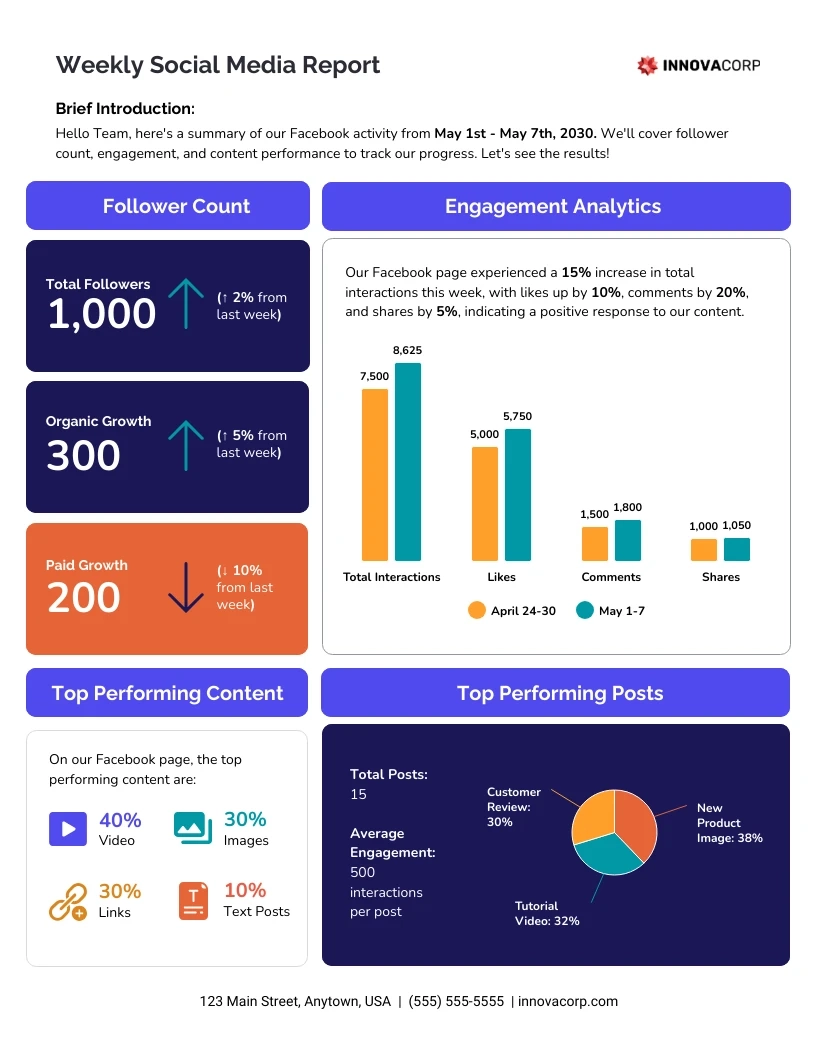
Simple Social Media Report Template
In today’s digital landscape, social media has become an essential tool for businesses to connect with their audience. A well-structured social media report can provide valuable insights into performance metrics, audience engagement, and overall strategy effectiveness. By utilizing a simple social media report template, companies can streamline their reporting process and focus on what truly matters: driving results.
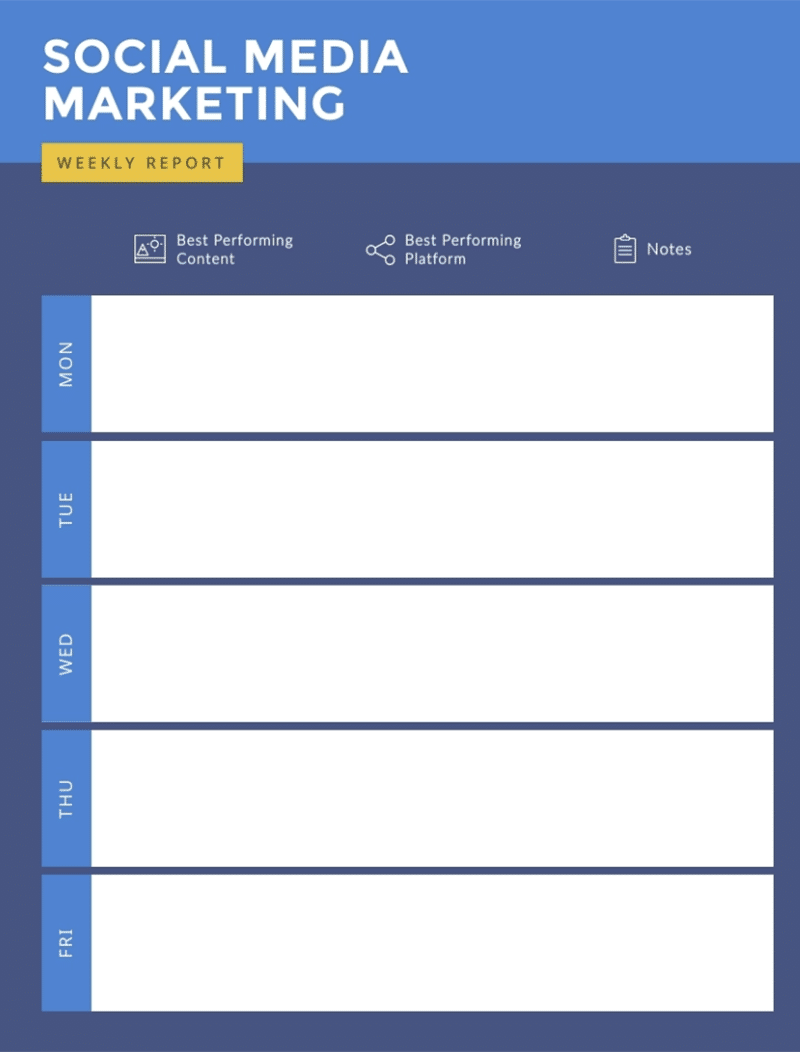
Creating a social media report doesn’t have to be a daunting task. With the right template, you can easily compile data from various platforms and present it in a clear, concise manner. This not only saves time but also ensures that stakeholders can quickly grasp the key takeaways. Below, we outline a simple social media report template that can be adapted to suit any business’s needs.
Simple Social Media Report Template
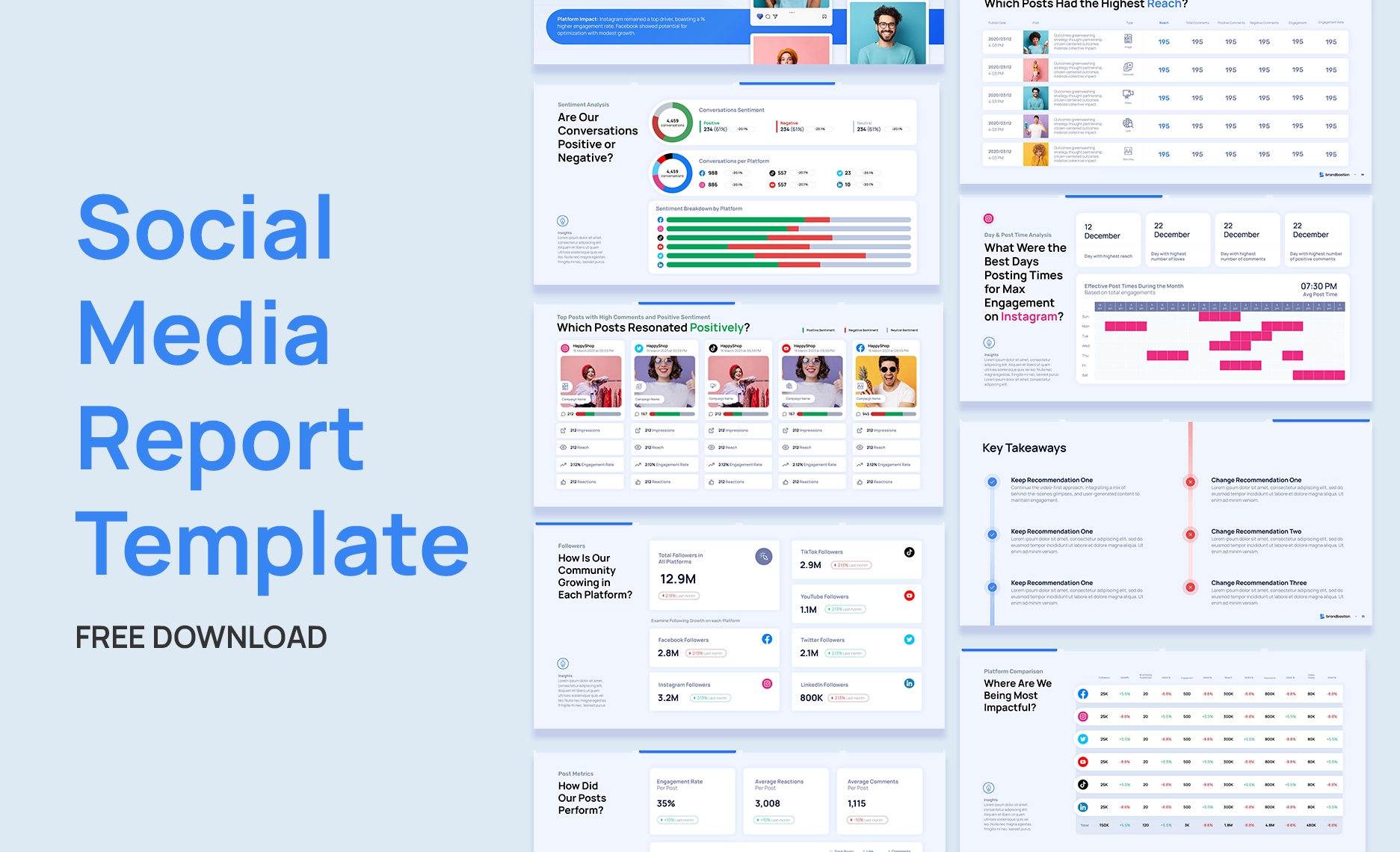
A simple social media report template typically includes several key sections that provide a comprehensive overview of your social media performance. Here’s a breakdown of what to include:
- Executive Summary: A brief overview of the report’s findings and key metrics.
- Goals and Objectives: Outline the specific goals set for the reporting period.
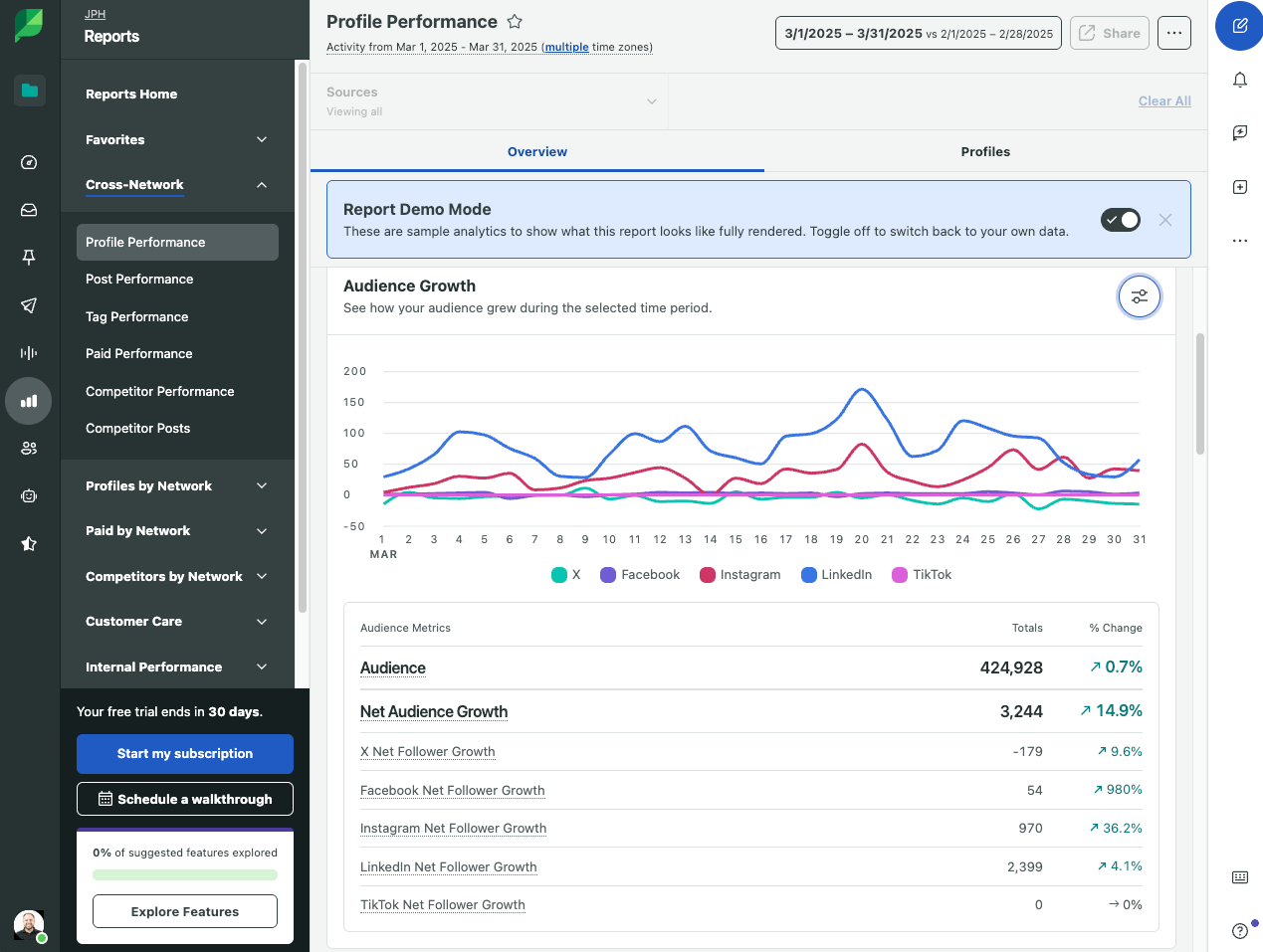
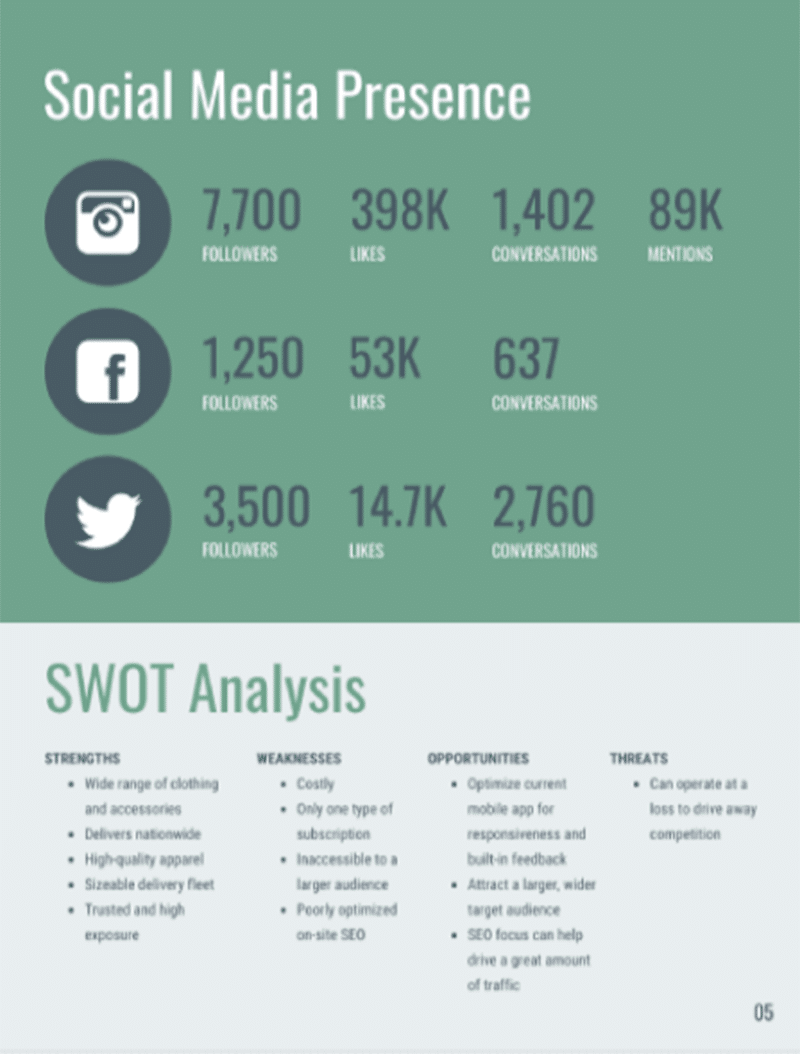
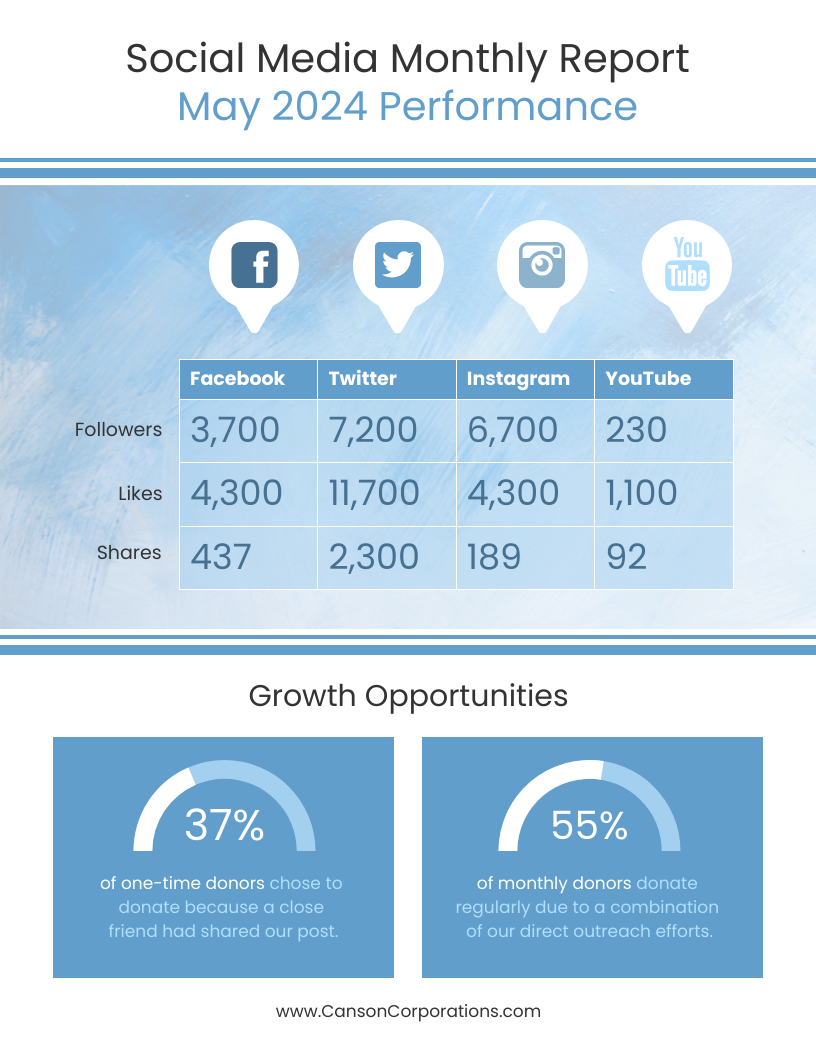
- Performance Metrics: Include data such as follower growth, engagement rates, and post reach.
- Content Analysis: Evaluate which types of content performed best and why.
- Recommendations: Provide actionable insights based on the data collected.
The executive summary should encapsulate the most important findings in a few sentences. This section allows stakeholders to quickly understand the overall performance without delving into detailed data. Following this, clearly state the goals and objectives set for the reporting period to provide context for the metrics presented.
In the performance metrics section, include quantitative data such as likes, shares, comments, and follower growth across different platforms. Visual aids like graphs or charts can enhance understanding and make comparisons easier. The content analysis should focus on identifying trends in engagement based on content type—whether images, videos, or text posts resonated more with your audience.
Finally, conclude your report with recommendations based on your findings. These should be actionable steps that can help improve future performance. Whether it’s adjusting posting times or experimenting with new content formats, providing clear next steps is crucial for ongoing success.
In conclusion, using a simple social media report template can significantly enhance your reporting process. By focusing on key metrics and providing actionable insights, businesses can make informed decisions that drive their social media strategy forward. Regularly reviewing these reports will ensure continuous improvement and alignment with overall marketing goals.
Download and Print simple social media report template Listed below