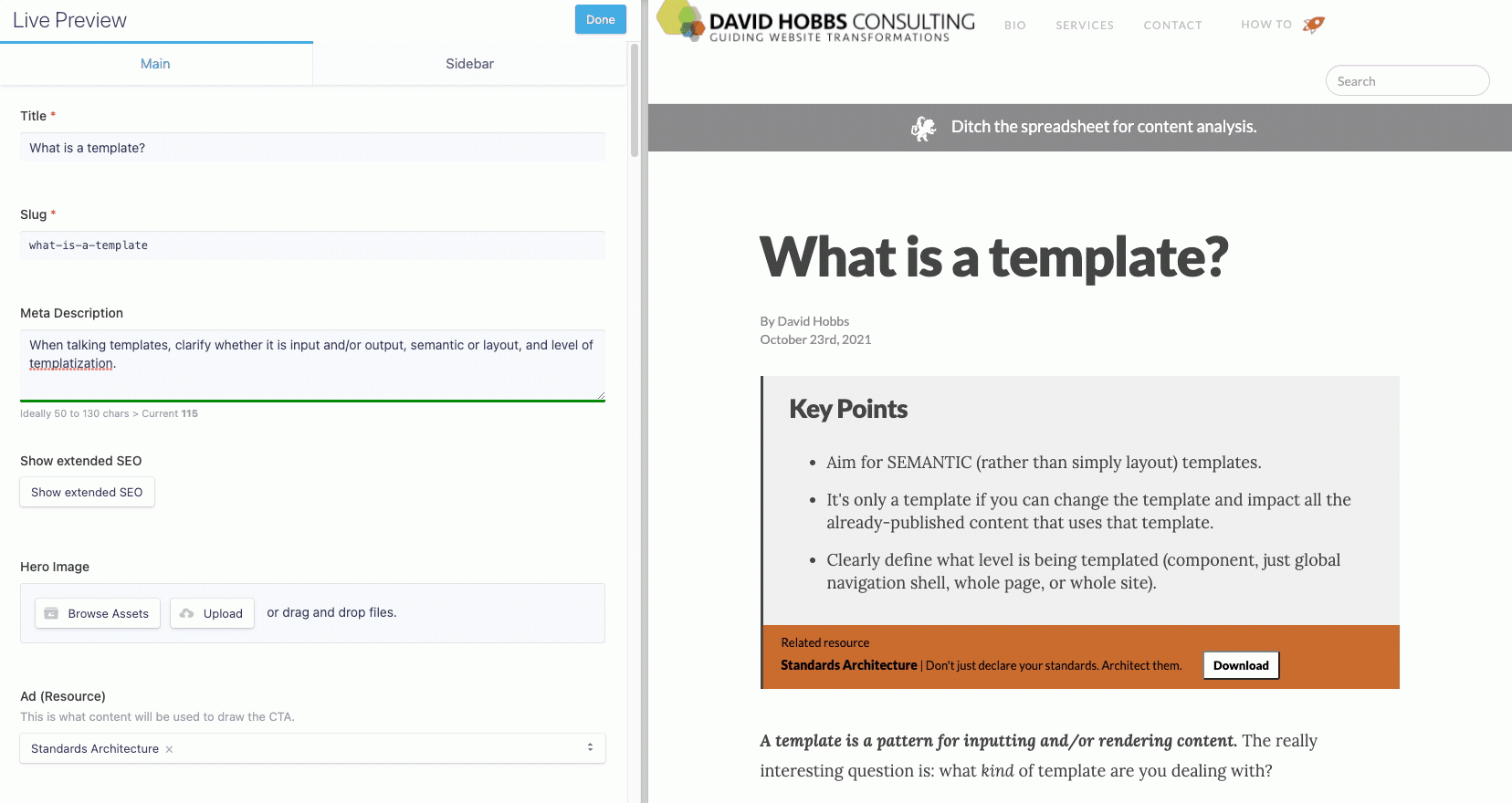
Understanding Templates: What They Are and Their Importance
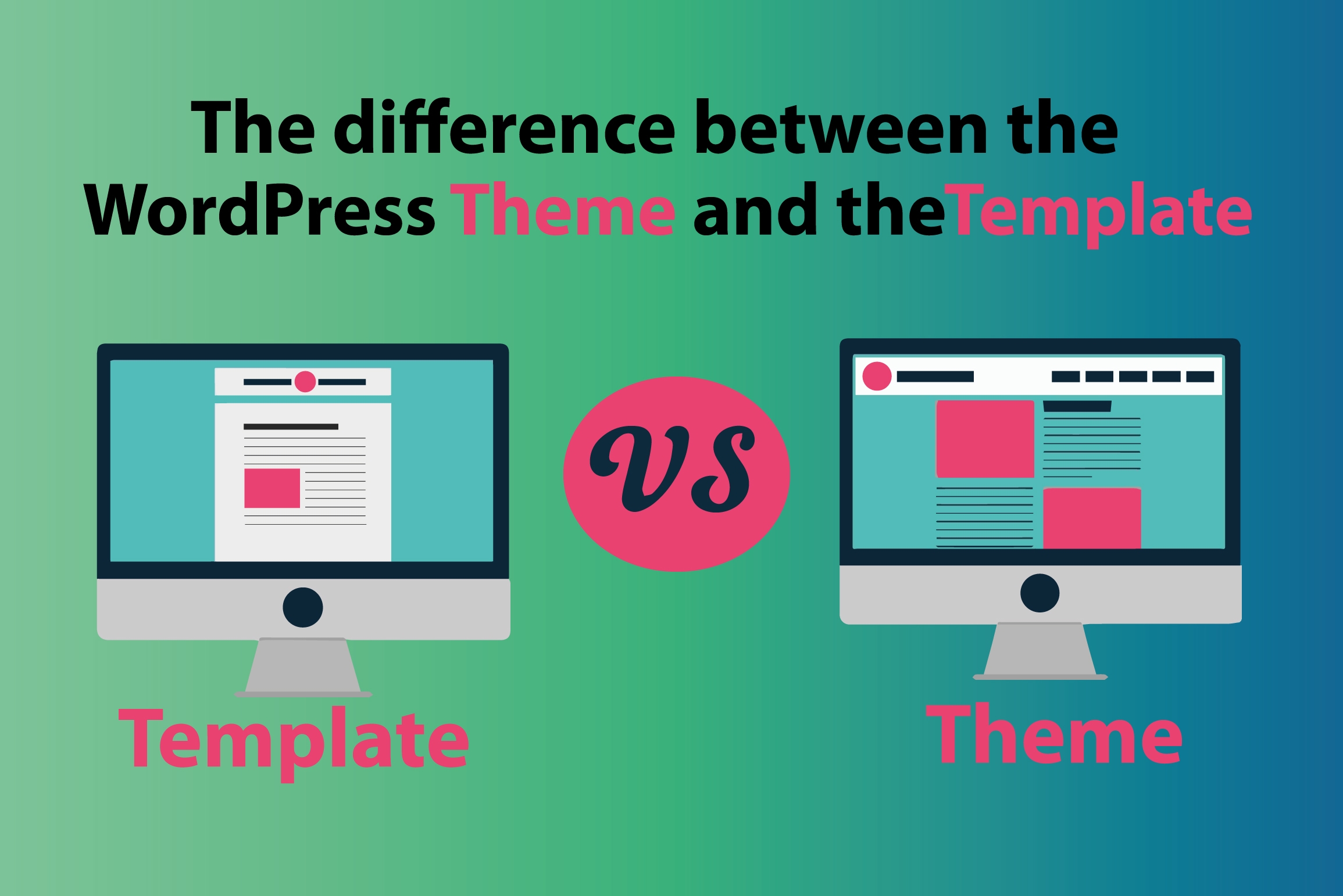
In today’s digital landscape, templates have become essential tools for individuals and businesses alike. They provide a structured format that simplifies the process of creating various documents, presentations, and designs. By utilizing templates, users can save time and ensure consistency in their work, making them invaluable in both personal and professional settings.
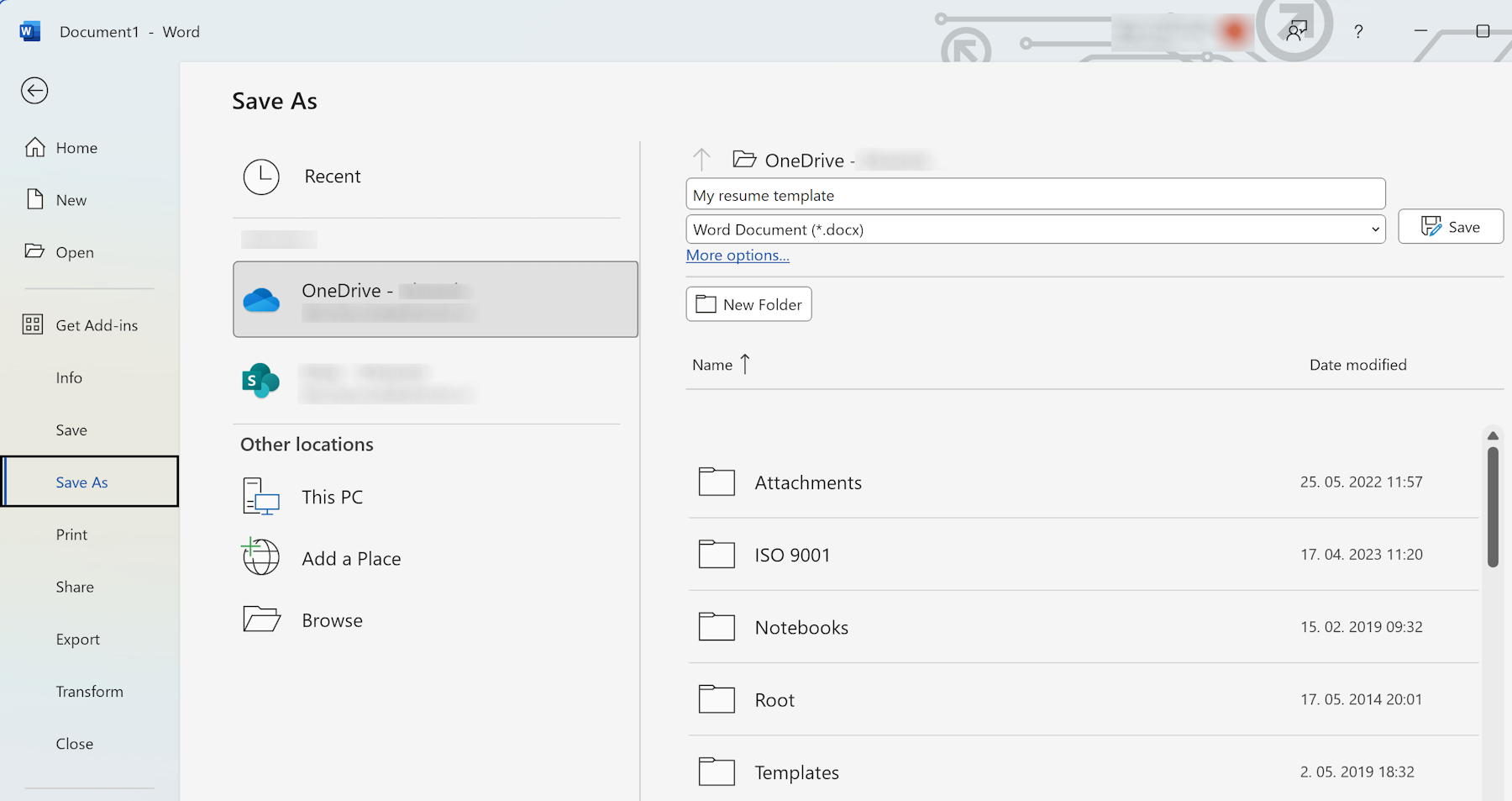
Templates are not just limited to documents; they extend to websites, emails, and even social media posts. This versatility allows users to maintain a cohesive brand identity while streamlining their workflow. As we delve deeper into the concept of templates, it becomes clear that they play a crucial role in enhancing productivity and creativity.
Template: What Is It?
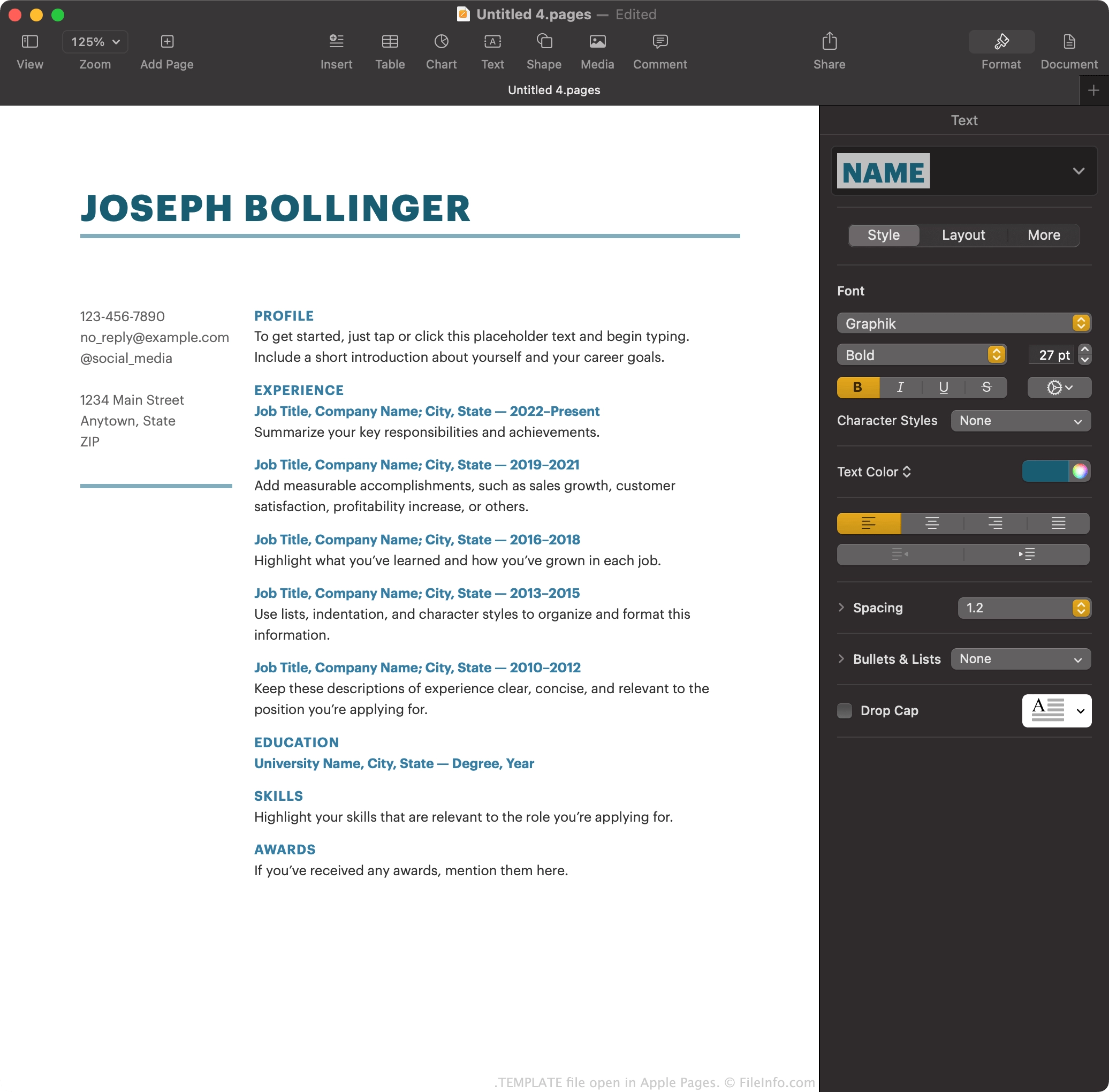
A template is a pre-designed layout or format that serves as a starting point for creating new documents or projects. It can include text, images, styles, and other elements that can be customized according to the user’s needs. Templates are widely used in various fields, including graphic design, web development, and business documentation.
One of the primary benefits of using templates is efficiency. Instead of starting from scratch, users can leverage existing designs to quickly produce high-quality work. For instance, in graphic design, a template might include placeholders for images and text, allowing designers to focus on content rather than layout. This not only speeds up the creative process but also reduces the likelihood of errors.
Moreover, templates promote consistency across different projects. Businesses often use templates for branding purposes to ensure that all materials—such as brochures, presentations, and reports—reflect a unified look and feel. This consistency helps reinforce brand identity and makes it easier for audiences to recognize and remember the brand.
Templates also facilitate collaboration among teams. When multiple people work on a project, having a standardized template ensures that everyone is on the same page regarding formatting and style. This uniformity can lead to more effective communication and a smoother workflow as team members can easily share and edit documents without confusion.
In conclusion, templates are powerful tools that enhance productivity, ensure consistency, and foster collaboration. Whether you are a student working on an assignment or a business professional creating marketing materials, utilizing templates can significantly improve your efficiency and output quality. Embracing templates in your workflow can lead to better results and a more organized approach to your projects.
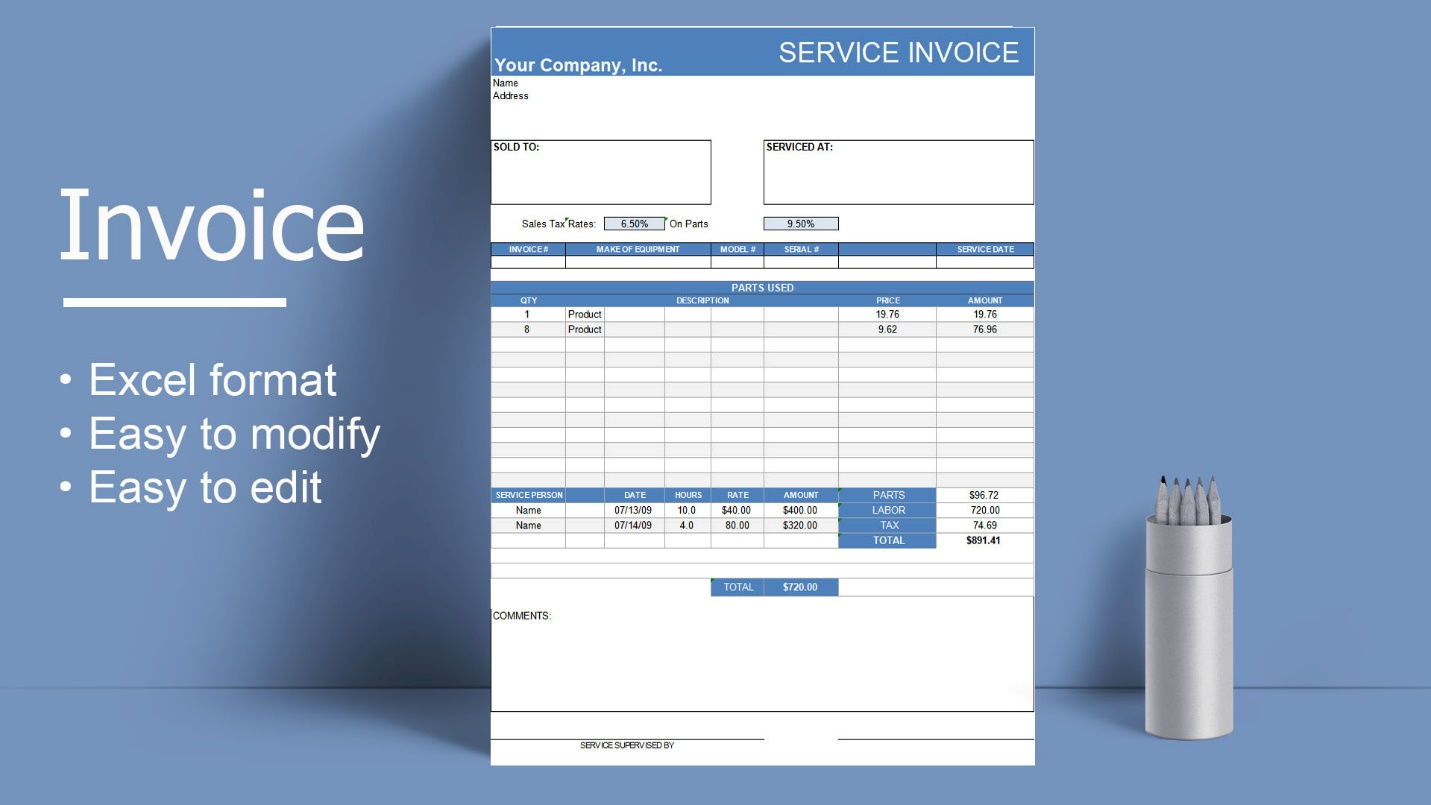
Download and Print template what is Listed below